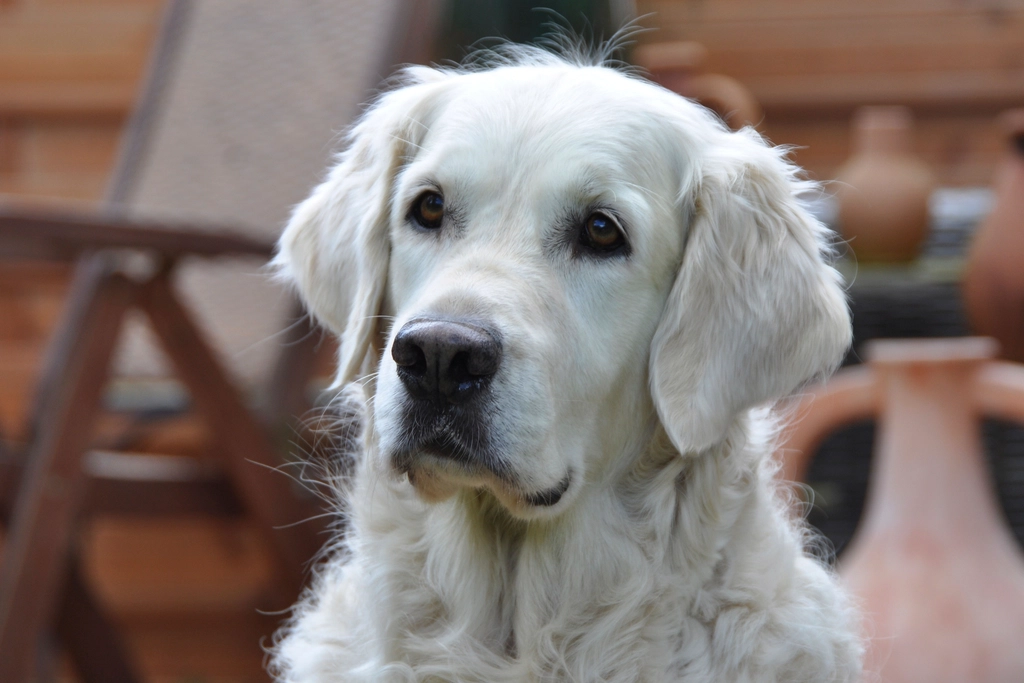
Dogs are good at hiding when they feel rotten. It is an old instinct, and it means the first signs of illness are usually quiet ones: a slower walk, a bowl left half full, a dog who stays in his bed when the post arrives.
Our editor’s beagle, Moss, once skipped breakfast. For a beagle, that is like a person turning down a free holiday. By lunchtime he had a temperature, and by the evening the vet had found a nasty ear infection that had spread further than anyone expected. The breakfast was the clue.
You know your own dog better than anyone. Here are five changes worth paying attention to, and when to pick up the phone.
1. A change in appetite or thirst
Most dogs have a routine with food. Some hoover it up in thirty seconds, some graze. What matters is a change from normal. A dog who usually eats with enthusiasm and suddenly sniffs the bowl and walks away is telling you something, especially if it happens two meals in a row.
Thirst is easier to miss. If you find yourself refilling the water bowl far more often than usual, or your dog starts asking to go out at night when she never did before, take note. Drinking a lot more can be linked to kidney problems, diabetes, Cushing’s disease or, in unspayed females, a womb infection called pyometra. None of those are things to wait on.
A simple trick: measure the water you put down in the morning and check what is left the next day. It gives the vet a real number.
2. Low energy that does not lift
Every dog has a lazy day. A twelve-year-old Labrador is entitled to snooze through most afternoons.
What you are watching for is lethargy that is out of character and does not pass. The terrier who normally races to the door and now stays put. The collie who stops halfway round her usual loop and wants to go home.
If the flatness lasts more than a day or so, or comes with anything else on this list, book a check-up.
3. Vomiting, diarrhoea or straining
Dogs eat things they should not, and the odd bout of sickness after raiding the compost bin is fairly common. One episode in an otherwise bright, hungry dog can often be watched at home with a bland diet and plenty of water.
It becomes more serious when it keeps happening, when you see blood, when your dog cannot keep water down, or when he seems weak or in pain alongside it. Puppies, elderly dogs and small breeds dehydrate quickly.
Straining deserves its own mention. A dog squatting repeatedly and producing little or nothing may be constipated, but a male dog straining to pee may have a blockage, and that is an emergency.
And if you know or suspect your dog has eaten something toxic, do not wait for symptoms. Chocolate, grapes and raisins, onions, garlic and anything containing xylitol (a sweetener found in some sugar-free gum, peanut butter and baked goods) are the usual culprits. Ring your vet straight away and tell them what was eaten and roughly how much.
4. Gums, breathing and temperature
These are the checks a vet does in the first minute, and you can learn them too. Practise while your dog is healthy, so you know his normal.
Check the gums
Lift the lip and look at the gum above a canine tooth. Healthy gums are usually a moist salmon pink (some breeds, like Chow Chows, have dark pigmented patches, which is fine). Press a finger on the gum until it goes pale, then let go. The colour should return in under two seconds.
Pale, white, grey, blue or bright brick-red gums are not normal. Neither are dry, tacky gums, which can point to dehydration.
Watch the breathing
Count breaths while your dog is asleep or resting quietly. Each rise and fall of the chest is one breath. A resting dog usually takes somewhere around 15 to 30 breaths a minute. Fast breathing at rest, noisy breathing, a cough that hangs around for days, or heavy panting when it is cool and he has not been exercising are all worth a vet visit.
Take a temperature
Nobody enjoys this part, the dog least of all. A digital rectal thermometer with a bit of petroleum jelly is the most reliable method. Normal is roughly 38.3 to 39.2 C (101 to 102.5 F). Anything above about 39.5 C or below 37.5 C is a reason to call.
5. Behaviour that just feels off
This one is hard to pin down, and it is often the first sign owners notice. A friendly dog who growls when you touch his back. A dog who hides under the bed, or follows you from room to room when she normally ignores you. Licking one paw over and over.
Pain changes behaviour. So do hormonal problems, ear infections, dental trouble and plenty of other things that are invisible from the outside. Older dogs who seem confused may be showing early canine cognitive dysfunction.
Trust your gut. If you keep thinking “he’s not himself”, you are probably right.
When to call the vet
For most of the signs above, a routine appointment in the next day or two is the sensible step. Write down what you have seen, when it started, and anything that changed recently, such as a new food or a stay at the kennels.
Some situations cannot wait for an appointment. Go to your vet or an emergency clinic straight away if you see:
- A swollen, tight belly with retching that brings nothing up. This can be bloat, which is life-threatening, especially in deep-chested breeds like Great Danes, Setters and German Shepherds.
- Pale, white or blue gums.
- Collapse, fitting, or sudden weakness in the back legs.
- Laboured breathing or choking.
- Known poisoning, even if your dog seems fine for now.
- A male dog straining to pee with nothing coming out.
It is always better to ring and be told it is nothing. The receptionist has heard far stranger calls than yours.
A few habits that help
Run your hands over your dog once a week while he is relaxed. Feel for lumps, sore spots and changes around the ribs, and peek in his ears and mouth. Most dogs treat it as a massage, and it gives you a baseline that makes the strange stuff stand out.
Keep up with yearly check-ups too, or every six months once your dog is a senior. Plenty of problems show up in a blood test long before they show up in the dog.
Moss, for the record, made a full recovery. He has not skipped a meal since, and he would like everyone to know he is available for second breakfasts.