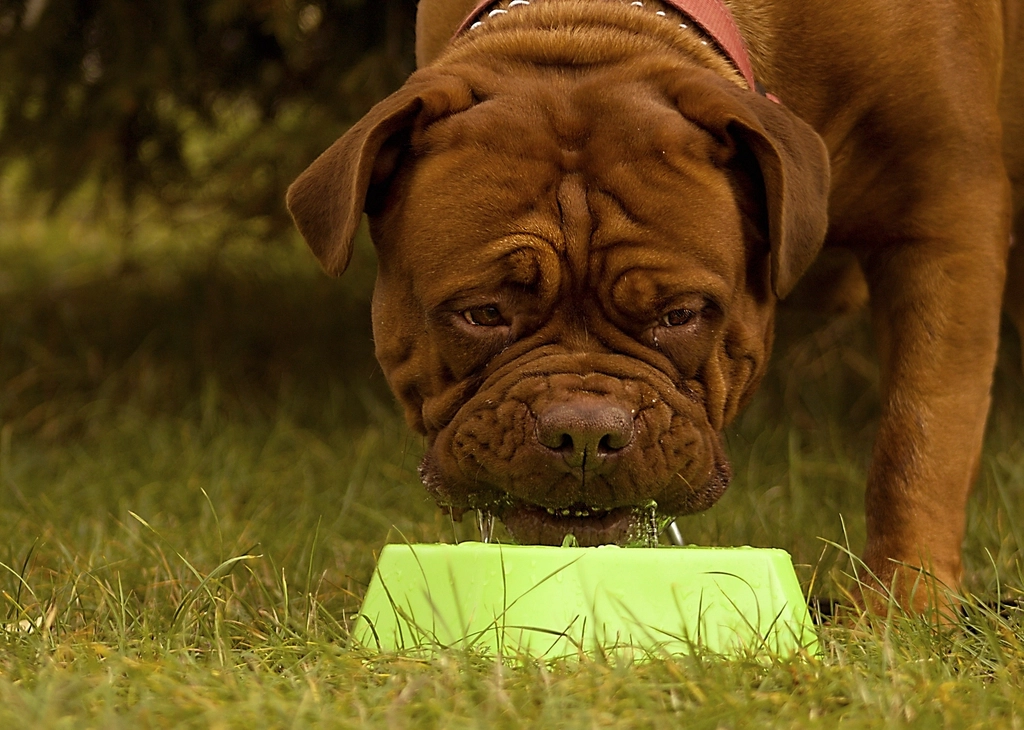
The dog food aisle in a big pet shop is about forty metres of bags, all of them with a happy dog on the front and words like “natural”, “premium” and “ancestral” in large letters. None of those words has much to do with whether the food is any good.
The useful information is on the back, in small print. Once you know where to look, choosing a food gets a lot less stressful.
Start with the nutrition statement
This is the single most important line on the bag. In the US, look for a statement that the food is “complete and balanced” according to the AAFCO (Association of American Feed Control Officials) nutrient profiles. In the UK and Europe, the equivalent is a “complete” food made to FEDIAF guidelines.
A complete food contains everything a healthy dog needs, in the right proportions, so it can be fed on its own every day. If the bag says “complementary” or “intended for intermittent or supplemental feeding”, it’s a topper, treat or mixer. Fine as an extra, not fine as the whole diet.
The AAFCO statement will also say whether the food meets the profile by formulation (worked out on paper) or by feeding trials (actually fed to dogs under set conditions). Both are acceptable. Feeding trials give a little extra reassurance.
Match the life stage
The nutrition statement will name a life stage, and this matters more than people think.
Growth foods are for puppies, and for pregnant or nursing mothers. They have more calories, protein and certain minerals. Adult maintenance foods are for grown dogs. “All life stages” means the food meets the growth profile, so it’s suitable for puppies, but it can be a bit rich for a sedentary adult.
Large and giant breed puppies need special care. A Great Dane or Bernese Mountain Dog puppy that gets too much calcium or too many calories can grow too fast, which raises the risk of bone and joint problems. Look for a food stated as suitable for growth of large size dogs (an adult weight of 70 lb, about 32 kg, or more). Don’t add calcium supplements unless your vet tells you to.
Senior foods are a looser category. There’s no official senior profile, so what’s in them varies a lot between makers. An older dog in good shape can often stay on its normal adult food. Ask your vet if you’re unsure.
Think about your dog’s size and lifestyle
Small breed formulas usually have smaller kibble and more calories per cup, because tiny dogs burn energy quickly and have small mouths. A Yorkshire Terrier struggling with a kibble the size of a ten-pence piece is not a happy sight.
Large breed adult foods are often a bit lower in calories to help keep weight down, which takes strain off joints.
Lifestyle counts too. A working Springer Spaniel doing a full day in the field needs far more fuel than a Pug whose main exercise is following you to the fridge. The feeding guide on the bag is only a starting point. Adjust it based on your dog’s body: you should be able to feel the ribs easily without pressing hard, and see a waist when you look from above.
Reading the ingredients list
Ingredients are listed by weight before cooking, heaviest first. That’s why fresh meat often appears at the top. It’s mostly water, and once the food is cooked and dried, there’s less of it than the list suggests.
A few honest points about ingredients:
- Named proteins (“chicken”, “lamb meal”) are clearer than vague ones (“meat and animal derivatives”), but vague doesn’t automatically mean bad.
- By-products are not the scary thing the internet says. Organ meats are very nutritious.
- Grain-free is not healthier for most dogs. True grain allergies are uncommon, and the US FDA has looked into a possible link between some grain-free diets and a heart condition called DCM. If you’re considering grain-free, talk it over with your vet first.
- Be wary of any bag that is mostly marketing words.
The guaranteed analysis (or “analytical constituents” in Europe) lists minimum protein and fat and maximum fibre and moisture. It’s useful for rough comparisons between dry foods, less so between wet and dry because of the water content.
Wet, dry, or a bit of both
Dry food is cheaper per day, keeps well once opened, and is easy to use in puzzle feeders. Wet food is more appealing to fussy eaters, has a lot more moisture (useful for dogs that don’t drink much), and is often easier for older dogs with sore teeth.
Neither is better in itself. Plenty of owners mix them, a handful of wet on top of dry. If you do that, reduce both portions so you’re not accidentally feeding a meal and a half. Our editor’s beagle, Moss, put on a kilo in one winter that way before anyone noticed.
And despite the old advice, dry kibble does very little for teeth on its own. Brushing does far more.
Switching food gradually
Dogs’ stomachs don’t like sudden change. Swap foods overnight and you’ll often get loose stools, wind, or a dog that turns its nose up. Spread the change over about 7 to 10 days:
- Days 1 to 3: roughly a quarter new food, three quarters old.
- Days 4 to 6: half and half.
- Days 7 to 9: three quarters new.
- Day 10: all new food.
If things get a bit soft, go back a step for a couple of days before moving on. Sensitive dogs may need two weeks or more. That’s normal.
When to ask the vet
Talk to your vet before choosing a food if your dog has a medical condition such as kidney disease, diabetes, pancreatitis, bladder stones, or suspected food allergies. Prescription diets exist for these, and they need professional guidance. The same goes for a puppy of a giant breed, or a dog that’s clearly over or underweight.
Get in touch with the vet promptly if a food change leads to vomiting, diarrhoea lasting more than a day or two, blood in the stool, or a dog that stops eating altogether.
Beyond that, the best food is often a fairly ordinary one. A complete food for the right life stage, at a price you can keep paying, that your dog eats happily and does well on. Shiny coat, steady weight, firm stools, plenty of energy. If you’ve got those, you’ve probably already found it.